Best Klon Clone Pedals 2026: Ranked by Sound, Not Hype
The original Klon Centaur sold for $329 new and now trades used for $1,500 to $5,000 depending on the version. That price makes zero practical sense for a guitar pedal, which is exactly why the "Klon klone" market exists. Dozens of builders are out there trying to replicate what Bill Finnegan's circuit does at a fraction of the cost.
We tested six of the most popular Klon-style pedals side by side over two weeks, all through the same signal chain: a 2020 Fender American Ultra Stratocaster into a Fender Tone Master Deluxe Reverb. The goal was simple: find out which ones actually capture the Klon character and which ones are just trading on the name.
What Makes a Good Klon Clone
The Klon Centaur's circuit is well documented at this point. The schematic has been public for years and plenty of builders have reverse-engineered it. But copying a schematic and capturing the character are two different things. What makes the original Klon special is the charge pump that raises internal voltage to 18V, giving it way more headroom than a standard 9V pedal. It's also the specific combo of op-amp (TL072), germanium diodes for clipping, and how those parts interact at different gain levels.
The best clones either copy that topology closely, or get there a different way. Here's what you're actually listening for: a transparent clean boost at low gain, a warm and harmonically rich overdrive at medium gain, and dynamic response that cleans up the second you pick softer or roll your volume down.
The Rankings
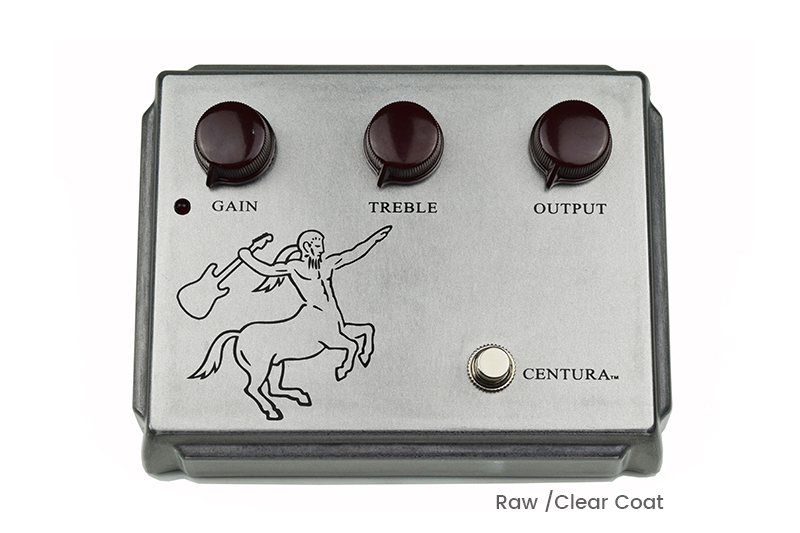
The Centura is the most faithful circuit-level reproduction of the original Klon you can buy. Ceriatone uses the same charge pump design, the same germanium clipping diodes, and the same TL072 op-amp, and the result is a pedal that, in blind testing, is genuinely hard to tell apart from an original Centaur. Build quality is excellent, the controls feel just like the original, and it comes in both the gold "horse" version and a more low-key black enclosure.
At around $160 to $190 it's not cheap, but compared to a real Centaur it's basically free. If you want the Klon experience without taking out a second mortgage, this is the answer.
Pros
- Closest to original Klon in blind tests
- Charge pump design for 18V headroom
- Germanium diodes
- Excellent build quality
Cons
- Expensive for a "clone"
- Availability varies, often a wait
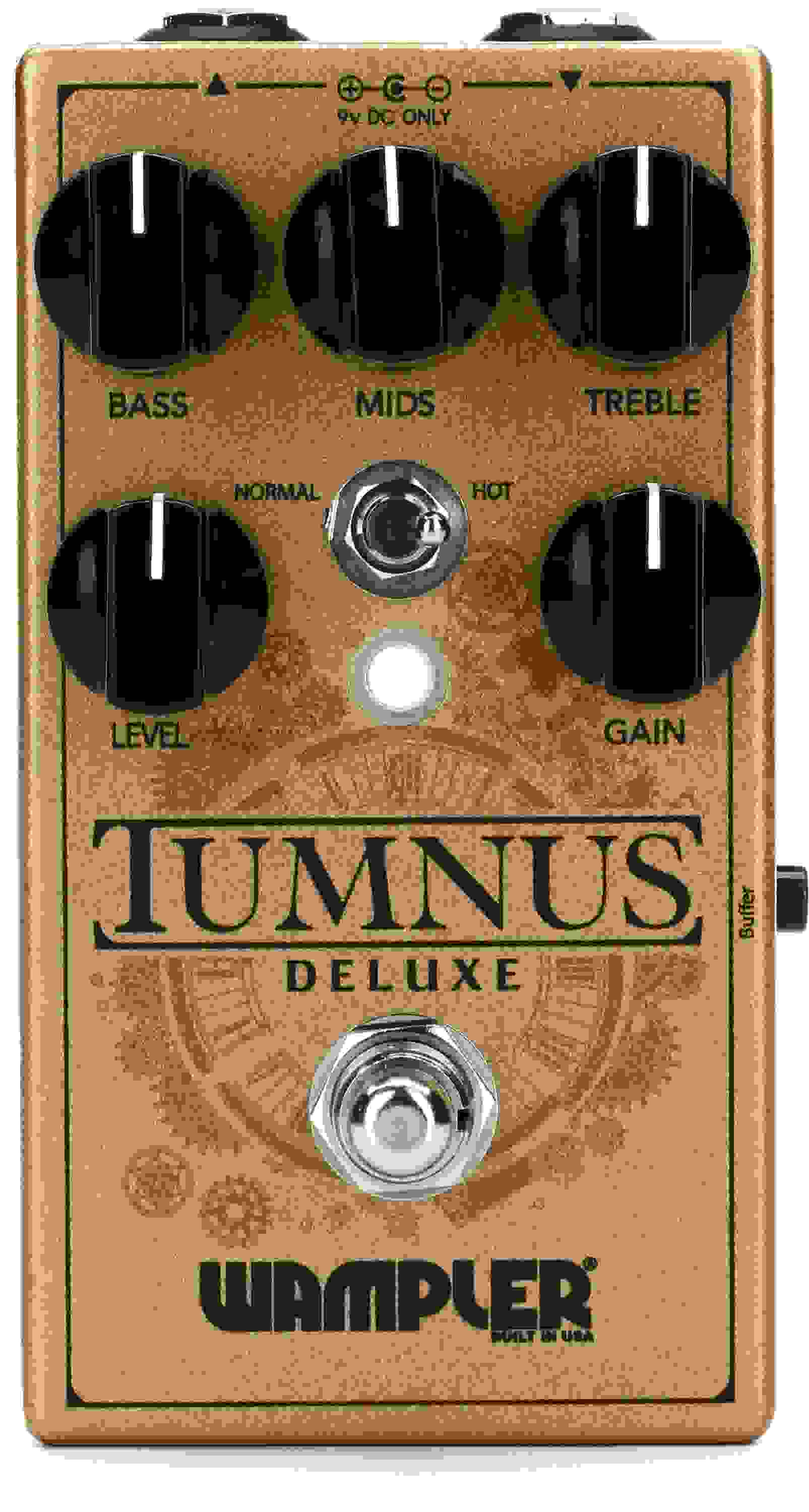
The Tumnus Deluxe takes the Klon-inspired circuit and adds bass and treble controls alongside the standard tone knob, so you've got a lot more ability to shape it to your rig. This is a real, practical improvement. The original Klon's single tone control is limiting on amps that don't naturally complement its voicing. The EQ here is musical and subtle, not dramatic.
The standard Tumnus (without the Deluxe EQ section) is excellent and smaller, but the Deluxe version is the better long-term investment for players who want flexibility across different amp and guitar combinations.
Pros
- 3-band EQ adds real versatility
- Excellent dynamic response
- True bypass
- Well-priced at ~$170
Cons
- Larger than the standard Tumnus
- EQ adds complexity if you just want the Klon sound
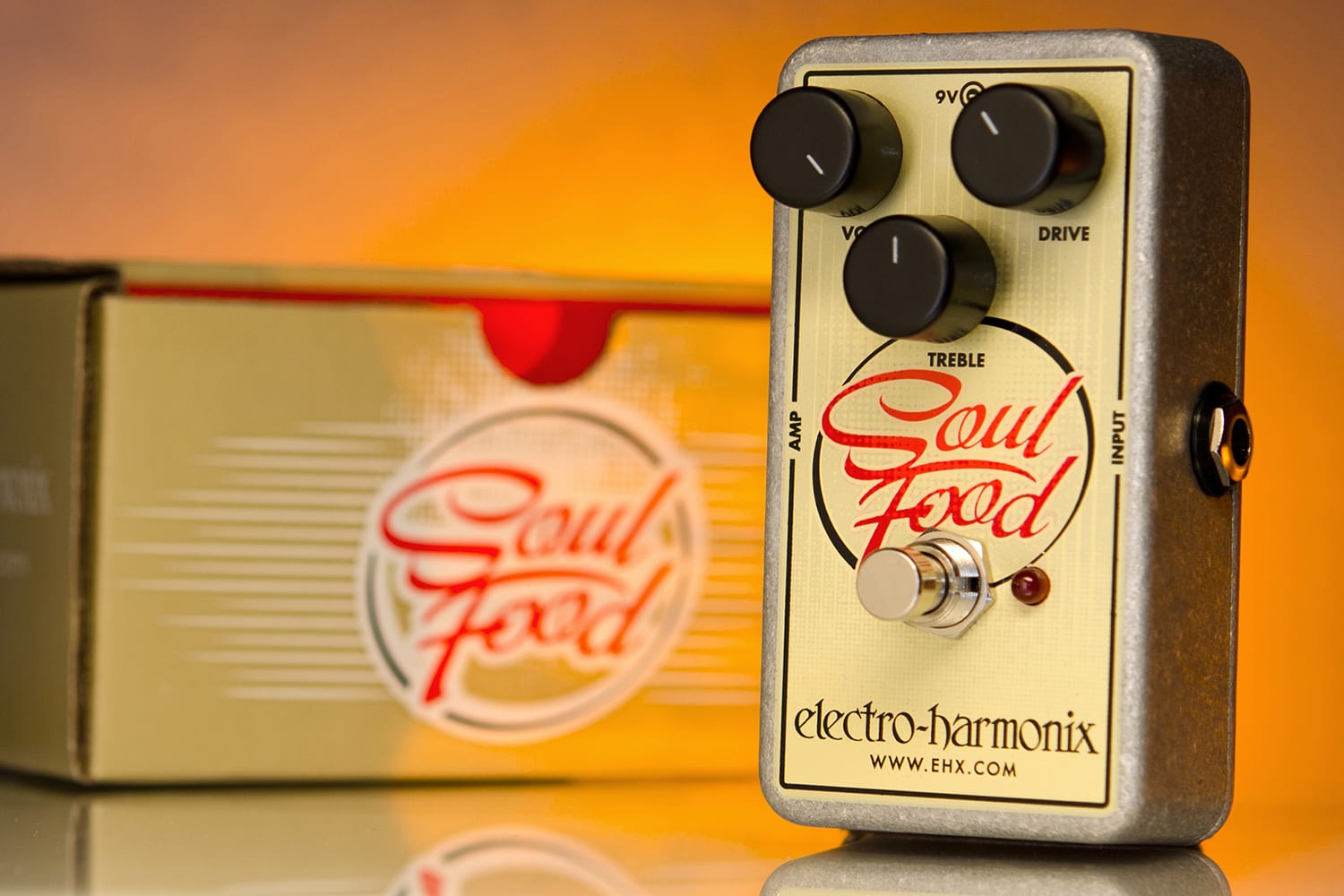
The Soul Food is the most affordable Klon-inspired pedal from a major manufacturer and a good entry point if you're new to this style of overdrive. For broader context on overdrive pedals in general, our best overdrive pedals roundup covers TS-style, transparent, and high-gain options alongside the Klon KTR.
The Soul Food is the most affordable Klon-inspired pedal from a major manufacturer, and it's a lot better than its price suggests. It skips the charge pump circuit of the original and runs at a standard 9V, so you get slightly less headroom. But in a blind test, most players couldn't reliably tell it apart from the original at lower gain. Crank the gain higher and the gap shows up more: the Soul Food gets a bit grainier where the Centura stays smooth.
For players who want the Klon character without the investment, the Soul Food is the obvious starting point. It's also an excellent platform for the numerous available mods.
Pros
- Excellent value at ~$65
- Genuine Klon character at lower gain settings
- True bypass
- Widely available
Cons
- No charge pump, less headroom than original
- Slightly grainy at higher gain vs premium clones

The Bonsai is technically a Tube Screamer multi-variant pedal, not a pure Klon clone. But mode 9, the "Analogman" position, has a Klon-inspired transparency and dynamic response that earns it a spot in this roundup. If you want one pedal that covers both TS-style and Klon-style territory, the Bonsai is the smart buy. At $229 it costs more than most single-purpose clones, but the versatility makes up for it.
Pros
- Nine circuits in one pedal
- Klon-adjacent mode sounds excellent
- Saves pedalboard space
Cons
- Not a true Klon clone
- Expensive for what it is
Which Klon Clone Should You Buy?
If you want the most authentic Klon experience, the Ceriatone Centura is the answer. In blind testing it's the closest thing to the original at any price. If you want more flexibility, the Wampler Tumnus Deluxe adds a practical EQ section the original never had. And if you just want to find out what the fuss is about without a big investment, the EHX Soul Food at $65 is an honest taste of what makes the Klon circuit special. Start there.
Frequently Asked Questions
What makes the Klon Centaur sound so different from other overdrives?
The Klon circuit uses a unique clean blend that keeps some of your dry signal mixed in with the overdriven signal, which preserves note clarity and low end that gets lost in most overdrive circuits. That's the quality every clone on this list is chasing.
Is a Klon clone worth it if I've never played the original?
Yes. The original Klon Centaur now sells for thousands of dollars used, so almost nobody is comparing clones to a real one in person. Judge these pedals on their own merits, and the Ceriatone Centura, Wampler Tumnus Deluxe, and EHX Soul Food are all excellent on their own.
What's the cheapest way to try the Klon sound?
The EHX Soul Food at $65 is the most honest budget entry point. It won't match the touch sensitivity of the pricier clones, but it captures enough of the clean-blend character to tell you if you like the sound before spending more.
Will a Klon-style overdrive fit my rig?
Klon-style drives are famously amp-dependent, and they don't work the same magic on every setup. Our Tone Finder looks at your amp and genre and tells you honestly whether a transparent overdrive like this is the right move.